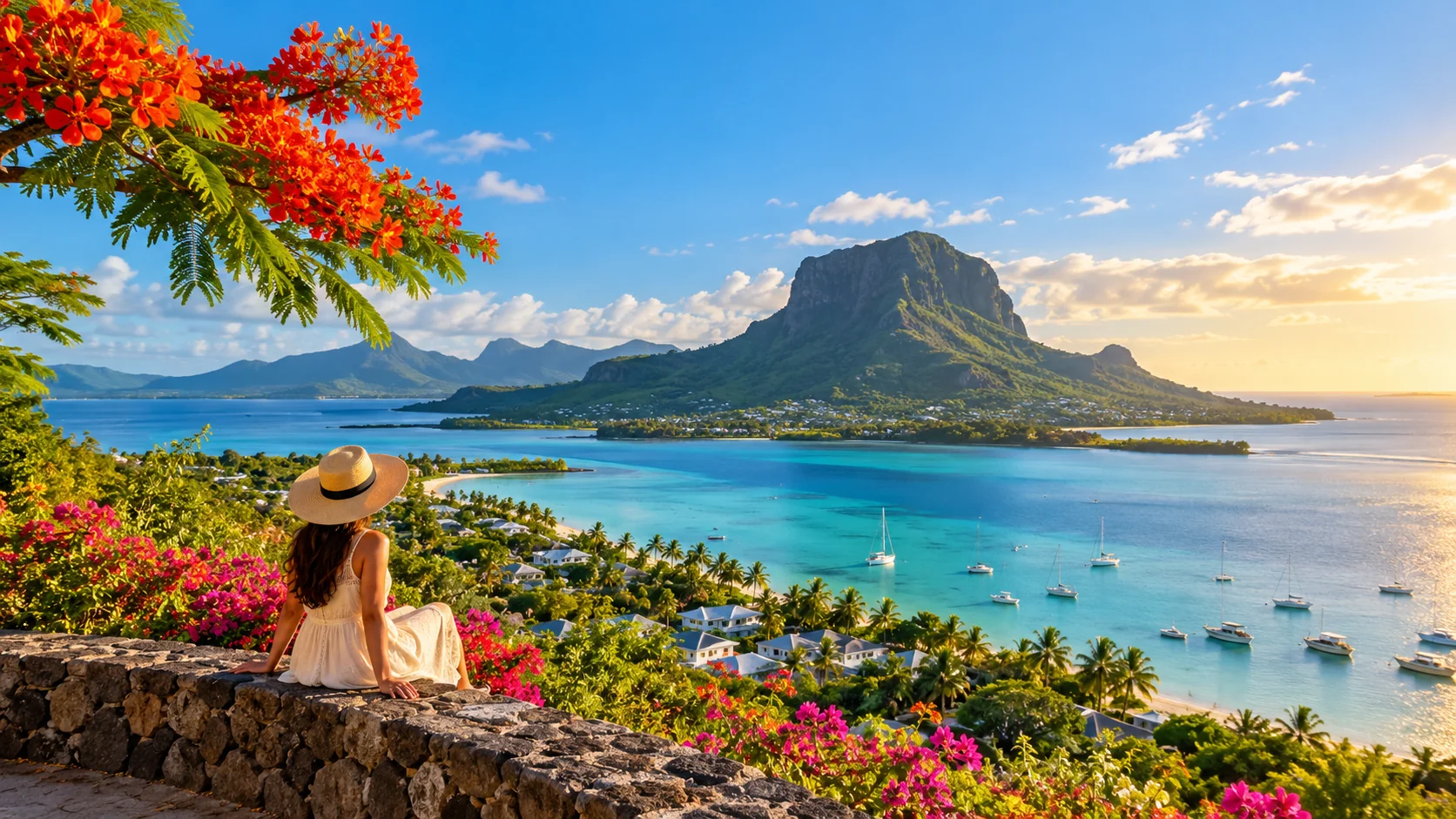
Living in Mauritius: Culture, Lifestyle and Island Life
Living in Mauritius means discovering much more than postcard beaches. It is an everyday experience shaped by multiple languages, deeply rooted traditions, vibrant markets, family gatherings, shared celebrations and a distinctive island rhythm. For people considering relocation, retirement or a second home, understanding Mauritian culture is just as important as exploring the property market.
Situated in the Indian Ocean, Mauritius brings together African, Indian, European and Chinese influences. Their histories have contributed to a society with a rich mix of music, faiths, foods and customs. The Mauritian government recognises this multicultural heritage as a defining part of the country’s identity. [1]
A multicultural identity you experience every day
The diversity of Mauritius is not confined to museums or special occasions. It is present in neighbourhoods, markets, places of worship, family traditions and conversations. Hindu temples, churches, mosques and Chinese pagodas reflect different religious communities and the traditions they continue to practise.
Events such as Divali, Eid-ul-Fitr, Chinese Spring Festival, Maha Shivaratree, Cavadee and Christmas are part of the country’s cultural calendar. Participation and customs vary across families and communities, and respectful curiosity is an excellent way to get to know your neighbours. [1]
Languages: Creole, French and English
One of the first things newcomers notice is how naturally Mauritians move between languages. Mauritian Creole (Kreol Morisien) is central to everyday conversation; French is widely used in business, media and social life; and English has an important role in administration and education. Other heritage languages are also spoken and celebrated. [3]
You do not need to speak every language to settle in. Learning greetings such as Bonzur (hello) and Mersi (thank you) can help make everyday interactions warmer. Language use varies by setting, so listen and adapt rather than assuming everyone prefers the same language.
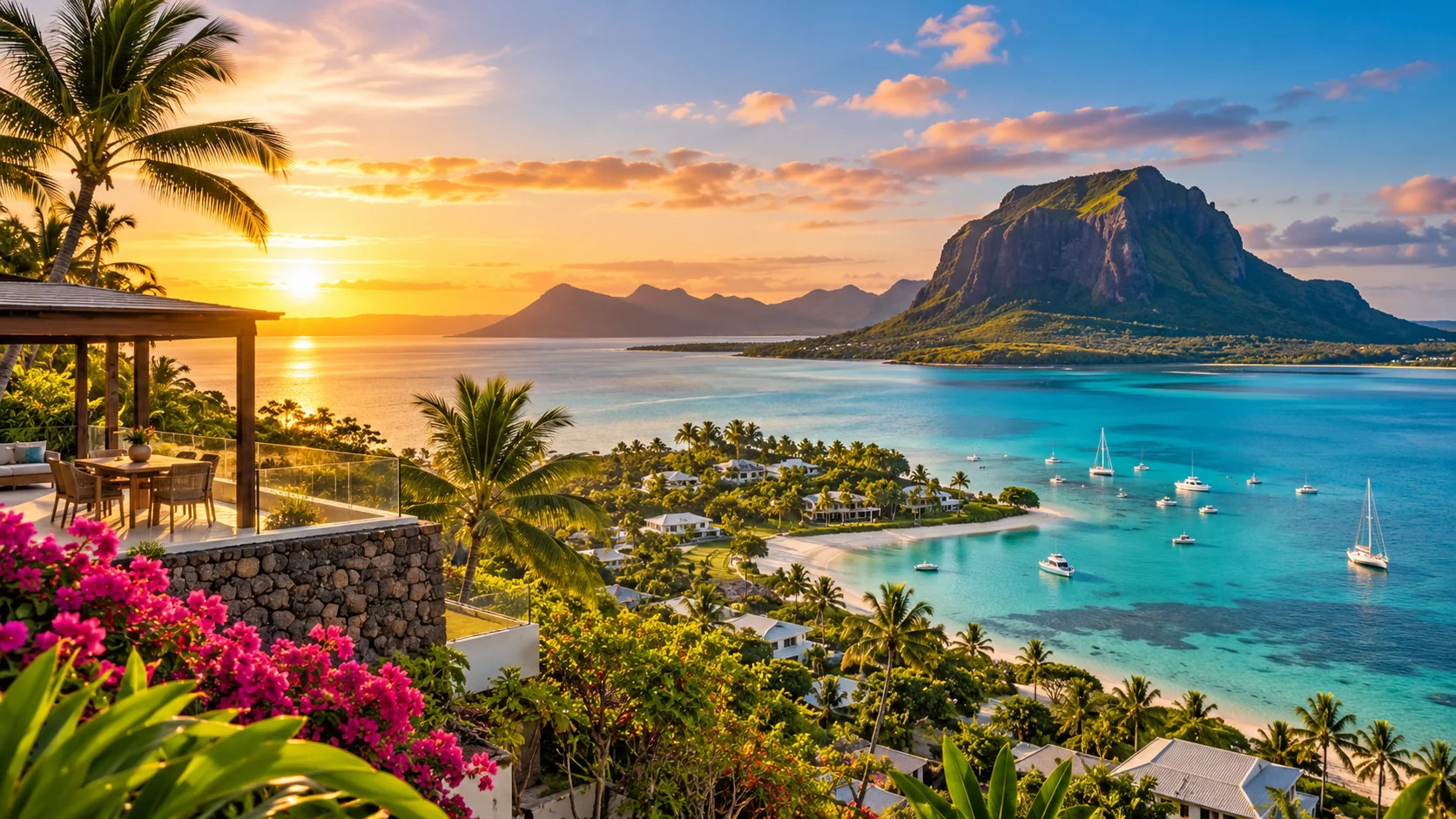
Mauritian food: a meeting of flavours
Food is one of the most accessible introductions to Mauritian culture. On an ordinary day you might enjoy dholl puri with curry and pickles, a bowl of mine frit, spicy gâteau piment, fragrant briyani or seafood prepared with local ingredients. These favourites are part of a broader cuisine influenced by South Asian, African, Chinese and European traditions. [3]
Markets and street-food stalls are great places to explore, alongside family-run restaurants and home cooking. If you plan to live here, discovering seasonal produce and local ingredients can quickly become part of your weekly routine.
Sega, music and the stories of the island
Sega is more than a performance for visitors. Traditional Mauritian Sega carries elements of the island’s history and identity through song, dance and instruments such as the ravanne. Traditional Mauritian Sega is recognised on UNESCO’s Representative List of Intangible Cultural Heritage, as reflected in the government’s cultural information. [1] [2]
Mauritius also has contemporary musical styles, including seggae, alongside many musical traditions linked to its communities. Festivals, local performances and community gatherings are opportunities to hear these sounds in context.
Everyday island life beyond the beach
Beaches and lagoons are a major attraction, but daily life also includes commuting, shopping, schooling, work and appointments. The experience differs significantly between a coastal village, Port Louis and the cooler central plateau. Traffic, rainfall, access to services and neighbourhood character all deserve consideration when choosing a home.
The island has a tropical climate, with warmer, wetter summer months and generally cooler, drier winter months. Conditions can vary by region and season, and cyclone preparedness is part of responsible island living. [3]
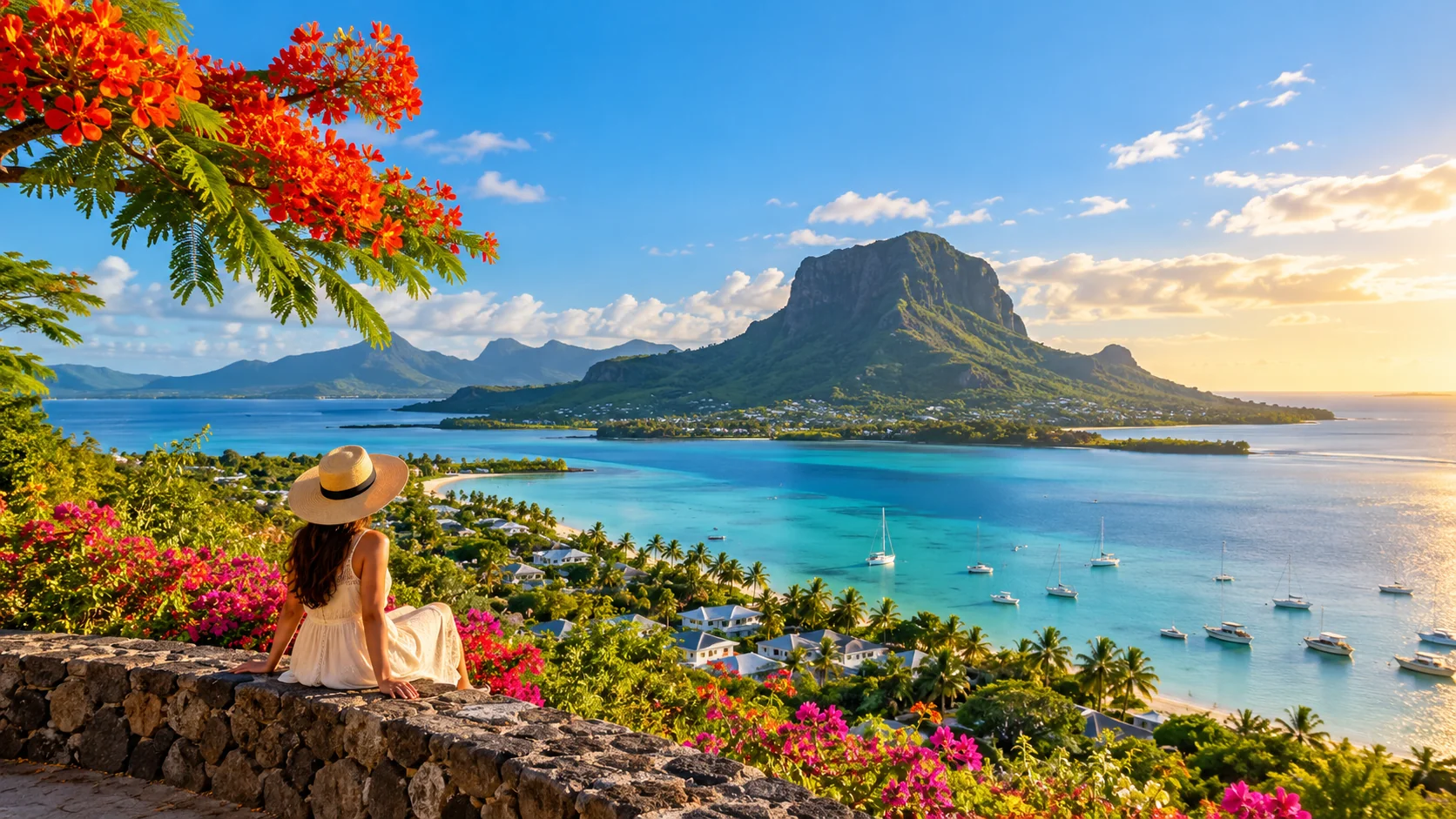
Culture, history and respectful exploration
To understand Mauritius, explore its historical sites as well as its beaches. The Aapravasi Ghat in Port Louis records the history of indentured labour, while Le Morne Cultural Landscape is associated with the history of slavery and resistance. Both are UNESCO World Heritage Sites, as documented by the Mauritian government. [2]
Visiting religious and cultural places respectfully matters: follow posted rules, ask before photographing ceremonies and wear appropriate clothing at places of worship.
Choosing where to live in Mauritius
The best location depends on your priorities. The north is often associated with coastal amenities and an active social scene. The west appeals to many people seeking sunsets, outdoor activities and a coastal lifestyle. The central plateau can be attractive for urban services and a milder climate, while the east and south offer different rhythms and landscapes.
Before renting or buying, visit at different times of day and assess travel times, schools, healthcare, drainage, internet connectivity, road noise and ongoing developments. For non-citizens, property ownership and immigration eligibility must be checked separately against the rules applicable to the particular property and buyer.
How Robertson Patrimoine can help
At Robertson Patrimoine, we understand that finding a property is also about finding the right environment for your lifestyle. Whether you are considering a permanent move, a second home or a long-term property investment, our team can help you explore opportunities in Mauritius and consider the practical questions that matter to your project.
Discover properties in Mauritius, learn about our services or contact Robertson Patrimoine to discuss your requirements. These internal URLs should be adjusted to match your live multilingual website.
Frequently asked questions
Is Mauritius a good place to live?
Mauritius can suit people who value a multilingual society, a tropical environment and access to coastal and urban lifestyles. A successful move still requires careful planning around work, housing, transport, healthcare and residency.
What language is spoken in Mauritius?
Mauritian Creole is widely used in daily conversation, while French and English are common in different professional, educational and administrative contexts.
What is Mauritian culture known for?
Mauritian culture is known for its many religious and cultural traditions, shared festivals, fusion cuisine and music including Sega.
Can a foreigner buy a home in Mauritius?
Foreigners can purchase certain eligible properties under applicable legal frameworks. Eligibility depends on the property category and current rules, and buying a home does not automatically grant residency.
Sources and further reading
- Government of Mauritius – Culture
- Government of Mauritius – Explore Mauritius
- Mauritius Tourism – Overview
- Statistics Mauritius – 2022 Population Census
Information reviewed: 28 October 2026. Cultural practices vary between communities and individuals. Images are original AI-generated illustrations, not photographs of identifiable places or people.